
Why High-Income Earners Are Buying Rental Properties in Asheville
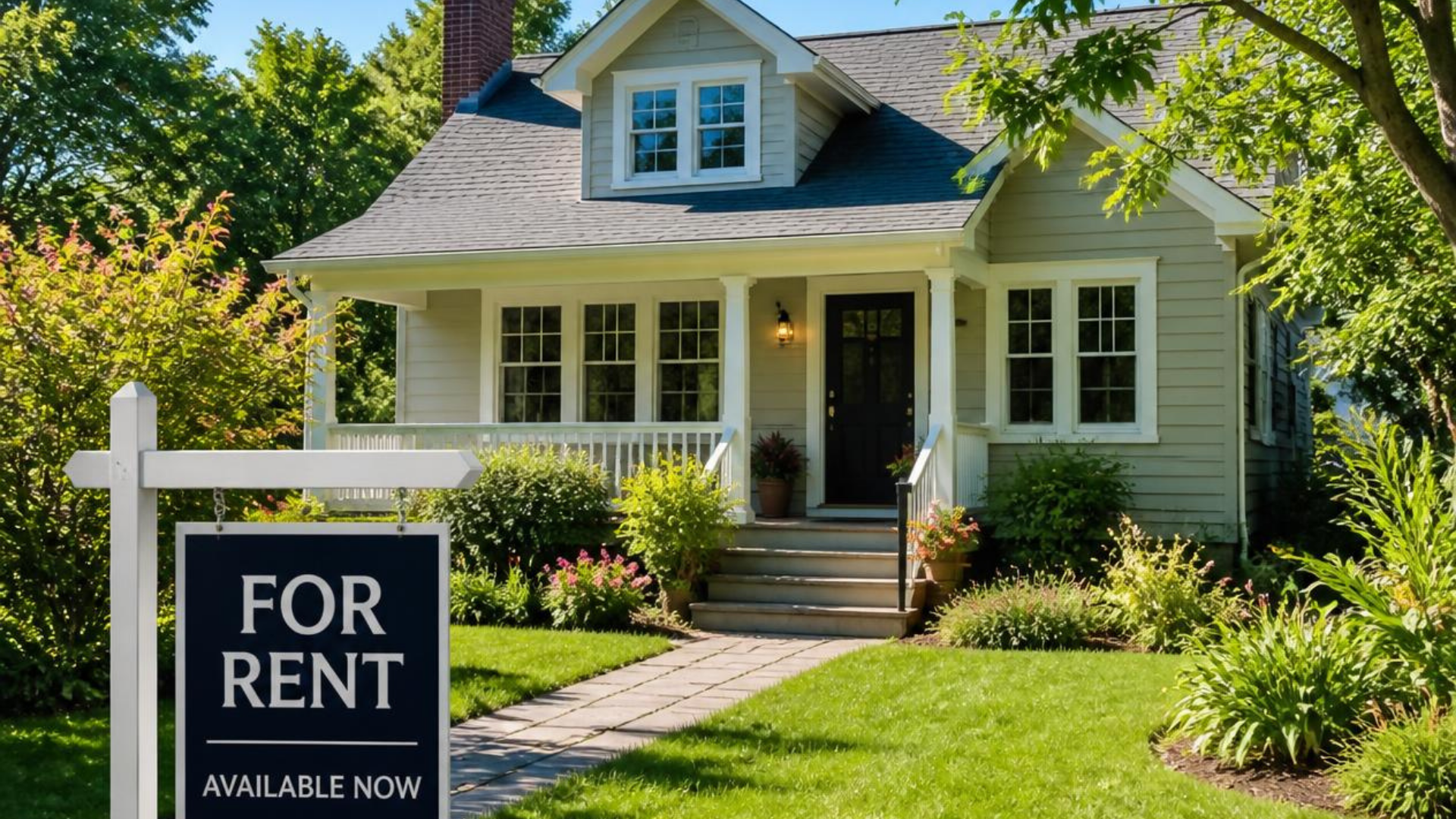
If you talk to enough high-income professionals—doctors, attorneys, business owners, executives, and people in sales—you start to notice something interesting.
A lot of them aren't just thinking about how much money they can make.
They're thinking about what they can keep, how they can grow it, and where they can put their money to work.
And for most people, that conversation eventually leads to real estate.
Rental properties can provide income, appreciation, and certain tax benefits that make real estate an attractive part of a larger wealth-building strategy.
But there's an important distinction:
Buying a rental property doesn't automatically mean you're going to eliminate your tax bill.
The tax benefits depend on how the property is used, how you participate in the investment, your income, your other activities, and the specific tax rules that apply to you.
The rules around rental losses can get complicated. The IRS explains passive activity and at-risk limitations here.
→ See the IRS guide to Passive Activity and At-Risk Rules
So why are high-income earners paying attention to rental real estate?
Real Estate Investing in Asheville: We’ve Seen It From Both Sides
Jordan Lockaby has experienced real estate investing both as an investor and as a real estate professional. She founded Asheville’s BiggerPockets Meetup and grew participation to more than 250 members, creating a community around local real estate investing.
She also bought and sold 7 investment properties within 3 years and currently owns several investment properties herself. Through Bloom Realty, she has helped clients buy and sell dozens of successful short-term rental properties throughout Western North Carolina.
That experience gives us a practical perspective on investment real estate: the tax benefits matter, but they’re only one piece of the equation. The property still needs to make sense as an investment, from the purchase price and rental income to operating costs, regulations, and long-term potential.
Real Estate Can Do More Than Generate Rent
When most people think about buying a rental property, they think about one thing:
Monthly cash flow.
Buy a property.
Rent it out.
Collect rent.
Hopefully, the rent covers the mortgage, taxes, insurance, repairs, and management—and there's something left over.
That's certainly part of the equation.
But experienced investors tend to look at the property differently.
They're asking:
What else is this property doing for me financially?
A rental property can potentially provide several benefits at the same time:
Rental income
Long-term appreciation
Equity growth as the property loan is paid down
Potential tax deductions
Portfolio diversification
A tangible asset that can be held for the long term
And that's where the conversation around taxes becomes interesting.
The Tax Benefit Most People Don't Think About

One of the major tax concepts associated with rental real estate is depreciation.
Want to understand how the IRS treats rental income, expenses, and depreciation? The IRS breaks it down in its guide to residential rental property.
→ Learn more from the IRS: Residential Rental Property
The IRS allows owners of income-producing property to recover the cost of certain property over time through depreciation deductions. In other words, depreciation can create a tax deduction even though it isn't a cash expense that you write a check for that year.
That doesn't mean your rental property is automatically producing a tax loss.
And it definitely doesn't mean every rental loss can simply be deducted against your salary or business income.
The IRS has passive activity and at-risk rules that can limit how rental losses are used. There are exceptions, including rules that can apply to certain taxpayers who actively participate in rental real estate or qualify as real estate professionals.
That's why the strategy needs to be looked at as a whole—not just as a way to "save taxes."
Think About It as Moving Money Into an Asset
Let's say you're a physician, attorney, business owner, or executive earning a high income.
You could simply earn your income, pay your taxes, and invest whatever is left.
Or you could potentially allocate some of your capital toward an income-producing asset.
That doesn't make the taxes disappear.
With real estate, you're putting money into something that may have the potential to:
produce income + appreciate + build equity + provide certain tax deductions.
That's a very different way of thinking about investing.
You're not simply asking:
"How much money will this property make me this year?"
You're asking:
"What can this property do for my overall financial picture over the next 5, 10, or 20 years?"
That is a much more interesting question.
Why Asheville Gets Attention From Investors

This is where the local market matters.
Asheville isn't simply a place where people buy houses and hope they go up in value.
It's a destination market with tourism, outdoor recreation, a strong lifestyle component, and demand from people who want to live in or visit Western North Carolina.
That can make Asheville real estate interesting to investors—but it doesn't mean every Asheville rental is automatically a good investment.
In fact, current market conditions make doing the math even more important.
The purchase price, financing, taxes, insurance, maintenance, management, vacancy, rental strategy, and local regulations can completely change the numbers.
The Property Has to Work Before the Tax Strategy Does
This is probably the biggest mistake I see investors make.
They hear:
"Real estate has tax benefits."
And suddenly they're looking for any property they can buy before the end of the year.
That's backwards.
The tax strategy should be part of the investment analysis—not just a reason to buy any piece of property.
If you purchase a property that loses money every month simply because someone told you there are tax deductions, you haven't necessarily created a great investment.
You've just created a property that loses money with a tax benefit attached to it.
The better approach is to start with the fundamentals.
What is the purchase price?
Does the property make sense at today's price—not the price you wish you could buy it for?
What can it realistically rent for?
Don't base your numbers on the best-case scenario.
Look at comparable rentals and realistic market demand.
AirDNA is a great place to start.
What are the expenses?
Property taxes, insurance, maintenance, utilities, management, HOA fees, repairs, vacancy, and capital expenditures all matter.
A great agent can get you these numbers for any listed property or help you realistically estimate them if no records are available.
How are the financing terms affecting the numbers?
Interest rates and financing terms can dramatically change cash flow. Generally, if cash flow is a high priority for you, you may need to put 20% or more as a downpayment.
What type of rental are you considering?
A long-term rental and a short-term rental can have completely different income potential, expenses, management requirements, and regulations. The bonus depreciation potential on a short-term rental is significant.
What are the local rules?
This is especially important in Asheville and Buncombe County.
Short-term rental regulations can vary depending on where the property is located, so investors need to understand the rules before purchasing—not after closing.
Currently, short-term rentals are not permitted within the city limits of Asheville, NC— with the exception of the “homestay.”
Want to check Asheville's current short-term rental requirements?
→ City of Asheville: Homestay & Short-Term Rental Information
See the City's current homestay requirements and permit information.
→ Apply for a Homestay Permit
Considering a rental outside Asheville city limits? See Buncombe County's vacation-rental requirements.
→ Buncombe County Vacation Rental Information
Buncombe county was considering enforcing additional short-term rental restrictions but those conversations were suspended following Hurricane Helene in the fall of 2024.
Asheville Investment Properties Require More Due Diligence
This is one reason working with an experienced Asheville realtor is invaluable for investors.
You're not just looking at whether you like the house.
You're looking at the house as an asset.
That means asking questions such as:
What has this property historically rented for?
What could it realistically rent for today?
What are comparable properties doing?
What will insurance cost?
What are the property taxes?
Are there HOA restrictions?
Can it legally be used as a short-term rental?
What will property management cost?
What happens if the property sits vacant?
What repairs or capital expenditures are needed?
What could my return look like at the current purchase price?
And most importantly:
What happens if our assumptions are wrong?
That's where good investment analysis separates itself from optimistic projections.
The Goal Isn't Just to Avoid Taxes
This is an important distinction.
The goal shouldn't be:
"How do I pay zero taxes?"
The better question is:
"How can I make smart investment decisions while being intentional about the tax implications?"
Taxes are one part of the equation.
Cash flow is another.
Appreciation is another.
Risk is another.
Liquidity is another.
And your long-term financial goals matter too.
A CPA or tax professional can help determine how the tax rules apply to your specific situation. Your real estate agent's job is different: helping you understand the property, market, pricing, rental potential, and risks involved in the purchase.
You want both perspectives before making a significant investment.
Why This Matters in Today's Asheville Real Estate Market
A changing market can actually create interesting opportunities for investors.
When buyers have more negotiating power, investors may have more opportunities to look beyond the obvious "perfect" property and find something where the numbers work.
That could mean negotiating a better purchase price.
It could mean finding a property that needs improvements.
It could mean buying a property that isn't being marketed specifically as an investment.
Or it could simply mean having more time to analyze the numbers before making an offer.
The market doesn't have to be booming for real estate to make sense!
Sometimes the best opportunities come from being willing to slow down, analyze the numbers, and negotiate.
Real Estate Is a Long Game
The people who build substantial real estate portfolios usually aren't thinking about one tax year.
They're thinking about years of ownership.
A property purchased today could potentially generate rental income, build equity, appreciate over time, and become part of a larger investment portfolio.
And that's really the bigger idea behind using rental real estate as a wealth-building strategy.
You're not just buying a house.
You're buying an asset.
The question is whether you're buying the right asset at the right price with a strategy that actually makes sense for you.
Thinking About Buying an Investment Property in Asheville?
If you're considering buying a rental property in Asheville, the first step isn't figuring out how much you can save in taxes.
It's figuring out whether the property itself makes sense as an investment.
At Bloom Realty, we can help you look at the Asheville market, evaluate potential rental properties, compare opportunities, and understand the numbers before you make an offer.
Thinking about investing in Asheville real estate? Let's talk about what you're looking for.
