
Pricing a Home in a Declining Market: Why Even Great Agents Sometimes Get It Wrong
Selling a home in a changing real estate market isn't as straightforward as many people think. One of the biggest misconceptions is that experienced agents can always predict the perfect list price.
The truth is—they can't.
Even the best agents occasionally price homes incorrectly in a declining market. That isn't because they're inexperienced. It's because markets shift faster than anyone can predict.
At Bloom Realty, we believe honesty creates better outcomes. Understanding why pricing is so challenging—and knowing how to respond when the market speaks—can save sellers thousands of dollars and weeks of unnecessary stress.
Here's what every seller should know.
1. Pricing in a Declining Market Is Constantly Changing
Pricing a home in a rising market is one thing. Pricing in a declining market is completely different.
Imagine trying to plan an outdoor wedding months in advance without knowing what the weather will be like. You can make the best decision possible based on today's forecast, but conditions may change before the big day.
Real estate works much the same way.
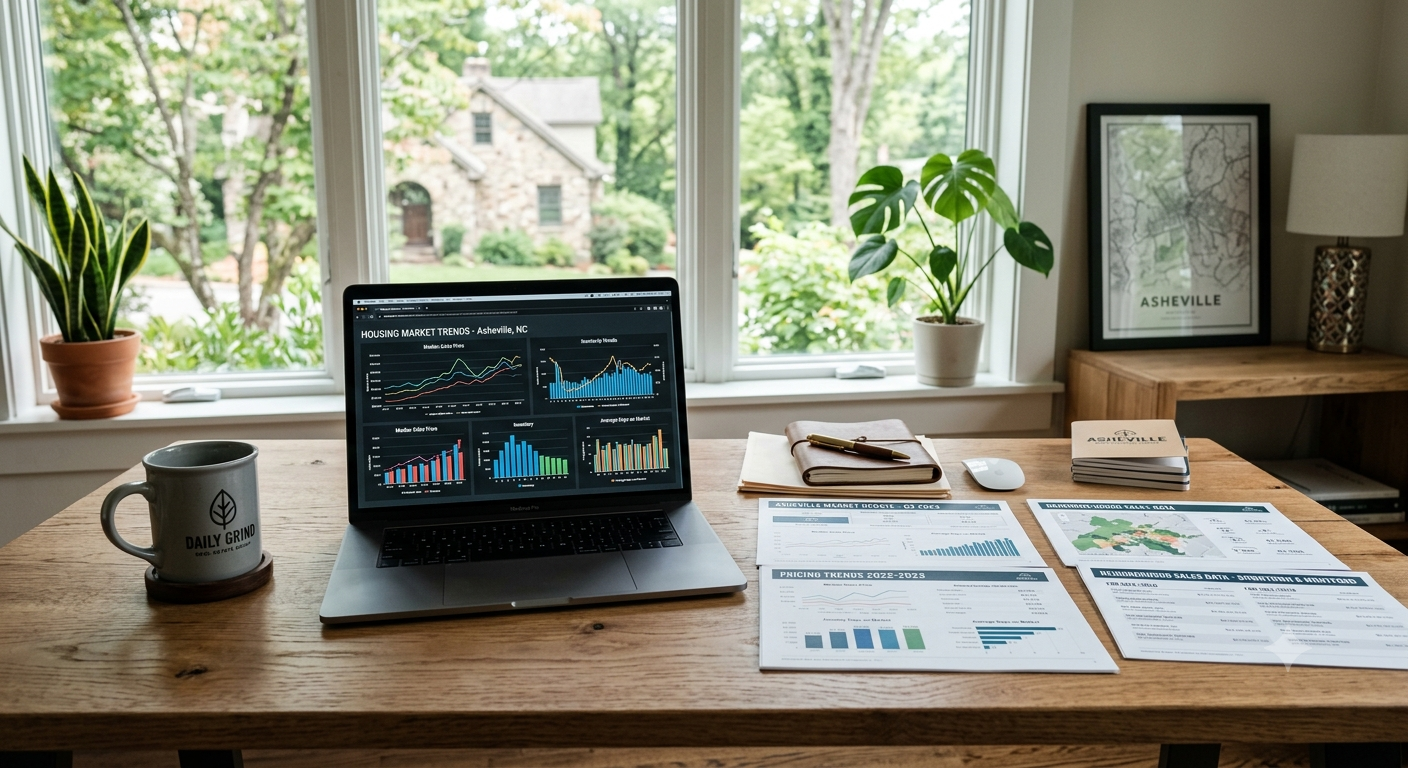
Every month, we study:
Recent sales
New listings
Price reductions
Buyer activity
Days on market
The challenge is that those numbers can change quickly. What was the correct price four weeks ago may no longer be the right price today.
💡 Key Takeaway: Pricing isn't based on guesswork—it's based on the best available data at the time. In a shifting market, that data evolves constantly.
2. Strategic Pricing Matters More Than Ever
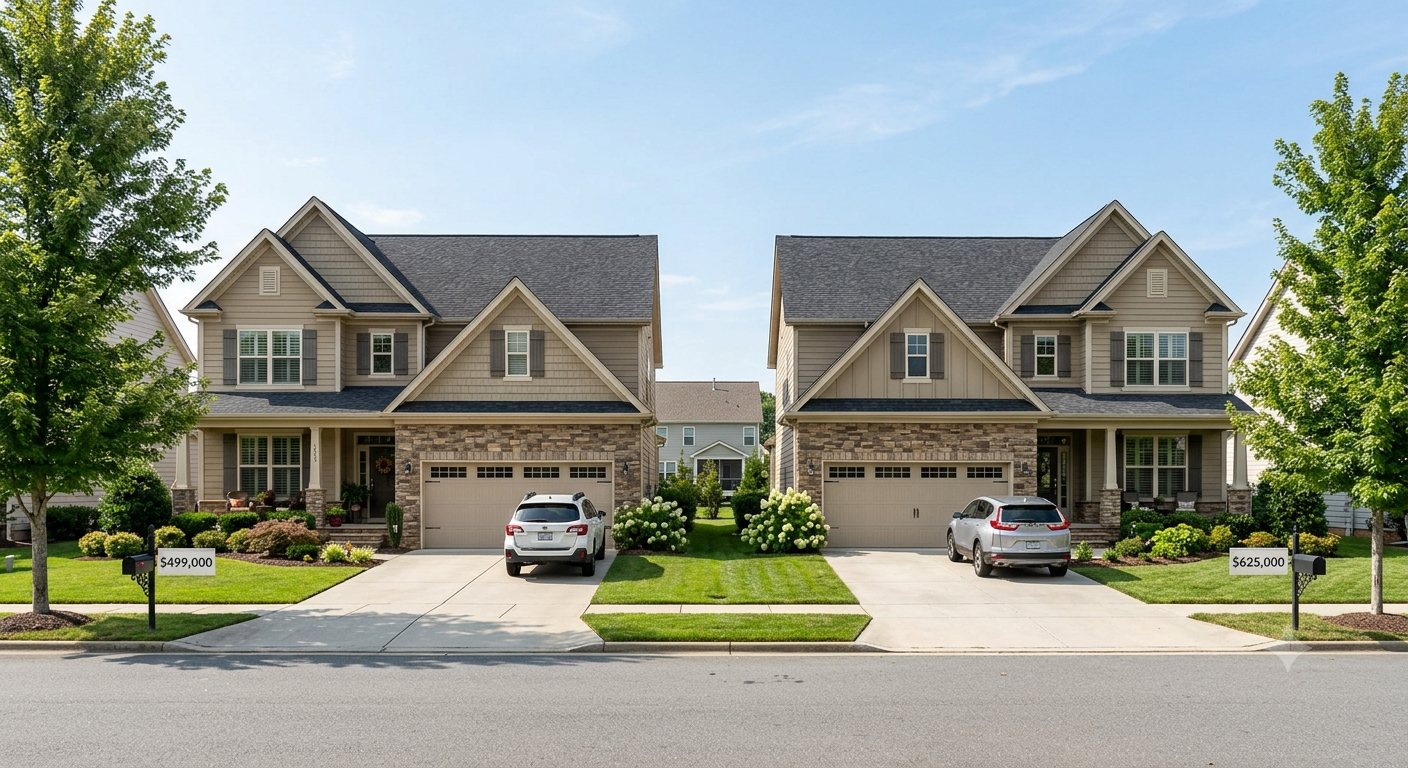
When home values are softening, many sellers instinctively want to price at—or even above—the comparable sales.
Unfortunately, that strategy often backfires.
In a declining market, buyers have more choices and less urgency. If your home appears overpriced, they'll simply move on to the next listing.
That's why many experienced agents recommend pricing slightly below comparable sales rather than chasing yesterday's prices.
The goal isn't to leave money on the table.
The goal is to generate interest before the market moves further.
💡 Why it works: Strong buyer interest early often creates better offers than sitting on the market while prices continue to soften.
3. Great Agents Don't Have Perfect Predictions—They Make Smart Adjustments
One of the biggest differences between an average agent and a great one isn't whether they guess the perfect price on day one.
It's how quickly they're willing to respond when the market provides new information.
If a listing isn't receiving:
Showings
Offers
Positive buyer feedback
...the market is telling you something.
Ignoring that feedback rarely improves the outcome.
Instead, experienced agents are willing to have difficult conversations early—whether that means adjusting the price, improving presentation, updating marketing, or making strategic changes to attract buyers.
💡 Seller Advantage: Quick decisions often protect your equity better than waiting for the market to improve.
4. Waiting Usually Costs More Than Acting
Many sellers hope the "right buyer" will eventually come along.
While that can happen, the statistics tell a different story.
Homes that remain on the market longer generally sell for less than homes that are priced correctly from the beginning.
Meanwhile, every extra month often means paying for:
Mortgage payments
Property taxes
Homeowners insurance
Utilities
Maintenance
Lawn care
Keeping the home show-ready
Those carrying costs add up quickly.
In many cases, waiting for a higher offer actually results in a lower overall financial outcome.
💡 Think Bigger: It's not just about the sales price—it's about your total cost of waiting.
5. Buyers Behave Differently in a Declining Market

When prices are falling, buyers often lose their sense of urgency.
Many begin asking themselves:
"What if prices are even lower next month?"
"Should I wait a little longer?"
"Maybe another price reduction is coming."
That hesitation slows the market.
However, there are always exceptions.
Some homes still attract multiple offers because they combine nearly everything buyers want:
Exceptional location
Move-in ready condition
Professional staging
Strong marketing
Competitive pricing
These are the homes that stand out—even when the overall market is slowing.
💡 Reality Check: Not every home is immune to market conditions, and understanding where your property fits is an important part of creating the right pricing strategy.
6. Listening to the Market Is the Best Strategy
The market gives feedback almost immediately.
If buyers aren't scheduling showings, submitting offers, or engaging with your listing, it's important to respond rather than wait.
That doesn't necessarily mean lowering the price every time.
It may mean:
Improving the home's presentation
Updating listing photos
Adjusting marketing
Refreshing the listing description
Re-evaluating pricing based on new market activity
Successful sellers—and successful agents—adapt instead of hoping conditions change.
💡 Bottom Line: The sooner you respond to buyer feedback, the better your chances of achieving the strongest possible outcome.
Key Takeaways
Pricing a home in a declining market is one of the most challenging parts of selling real estate—even for experienced agents.
The goal isn't to predict the future perfectly.
The goal is to use today's data, monitor buyer response, and adjust quickly when the market provides new information.
The best strategies include:
Pricing strategically based on current market conditions
Creating strong buyer interest immediately
Responding quickly to market feedback
Avoiding unnecessary time on the market
Working with an agent willing to have honest conversations when adjustments are needed
Markets change.
Successful sellers change with them.
Thinking About Selling Your Home?
Every market—and every home—is different. The right pricing strategy depends on current market conditions, buyer demand, and your home's unique strengths.
If you're considering selling in Asheville or Western North Carolina, we'd love to help you create a strategy that positions your home for the best possible outcome.
Want to know more about what makes Bloom Realty the right partner for buying or selling real estate in Western North Carolina? We'd love to help.
