
8 Things Every Buyer Should Check During a Home Showing
When you're buying a home, it's easy to get distracted by the things that are designed to catch your attention.
The kitchen has beautiful countertops. The floors are new. The bathrooms have been renovated. The furniture makes every room look bigger.
But some of the most important things to look for when buying a house aren't necessarily the things you'll notice in the listing photos.
They can be underneath the home, around the foundation, inside the electrical panel, or hidden behind the cosmetic finishes.
That's why a home showing should be about more than deciding whether you like the way a house looks.
It's an opportunity to start asking questions about how the home has been maintained, how water moves around the property, and whether there are areas that deserve a closer look during the inspection and due diligence process.
Here are 8 things we recommend buyers pay attention to when touring a home.
1. Always Look in the Crawl Space
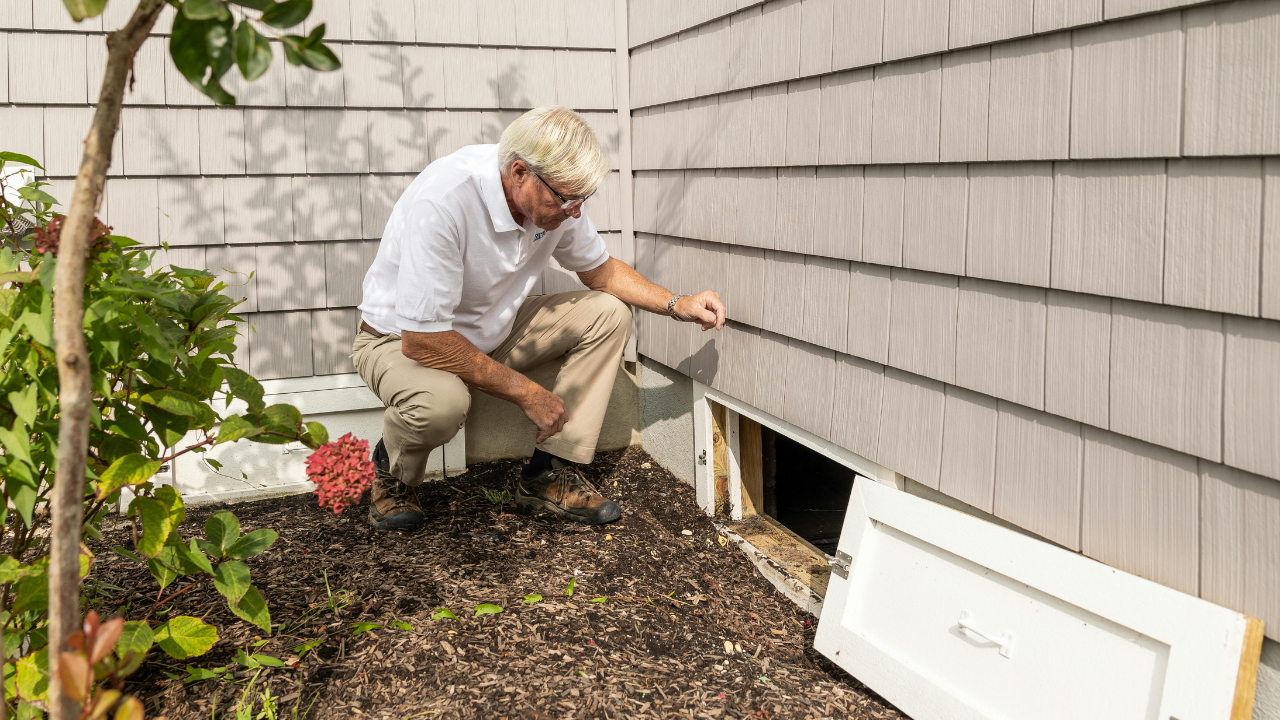
If a home has a crawl space, you should get inside it!
The crawl space can provide valuable clues about the condition of the home and whether moisture has been an ongoing issue.
Depending on the property, you may be able to see signs such as:
Standing water
Water stains
Mold or mildew
Damp or deteriorating wood
Damaged floor joists
Excessive moisture/humidity
Poor drainage or ventilation
Musty odor
If you see standing water, significant staining, mold-like growth, or deterioration, that's a reason to ask additional questions and have the area evaluated by a qualified professional.
Buyer Tip: The crawl space may not be the most glamorous part of a home tour, but it can tell you a lot about what's happening underneath the house and possibly affecting the indoor air quality.
2. Look for Standing Water Around the Home
Water is one of the biggest things buyers should pay attention to when touring a property.
Start inside the crawl space if it's accessible. Then look at the exterior of the home.
After rainfall, are there areas where water collects?
Does the ground slope toward or away from the foundation?
Do gutters and downspouts appear to direct water away from the house or stop right at the foundation?
Look for:
Standing water
Muddy or consistently saturated areas
Erosion
Water stains
Downspouts discharging close to the foundation
Areas where the ground slopes toward the house
Sometimes, the best clues appear when the weather isn't perfect.
3. A Rainy Day Can Actually Be a Great Time to See a House
Most buyers would probably choose a sunny day for a home tour.
But if you're serious about a property, don't assume rainy weather is a bad thing.
Rain can give you an opportunity to see how water actually behaves around the home.
Watch what happens.
Does water pool near the foundation?
Do the gutters appear to be working properly?
Are downspouts directing water away from the house?
Does the yard drain effectively?
If the home has a crawl space, is there any visible evidence of water intrusion?
A dry day can hide drainage issues that become obvious during heavy rainfall.
That doesn't mean you should only tour homes when it's raining. But if you happen to see a property during or shortly after a significant rain, pay attention to what the water is doing.
Buyer Tip: Sometimes the weather gives you information that a beautiful sunny day can't.
4. Look at the Floor Joists and Other Exposed Wood
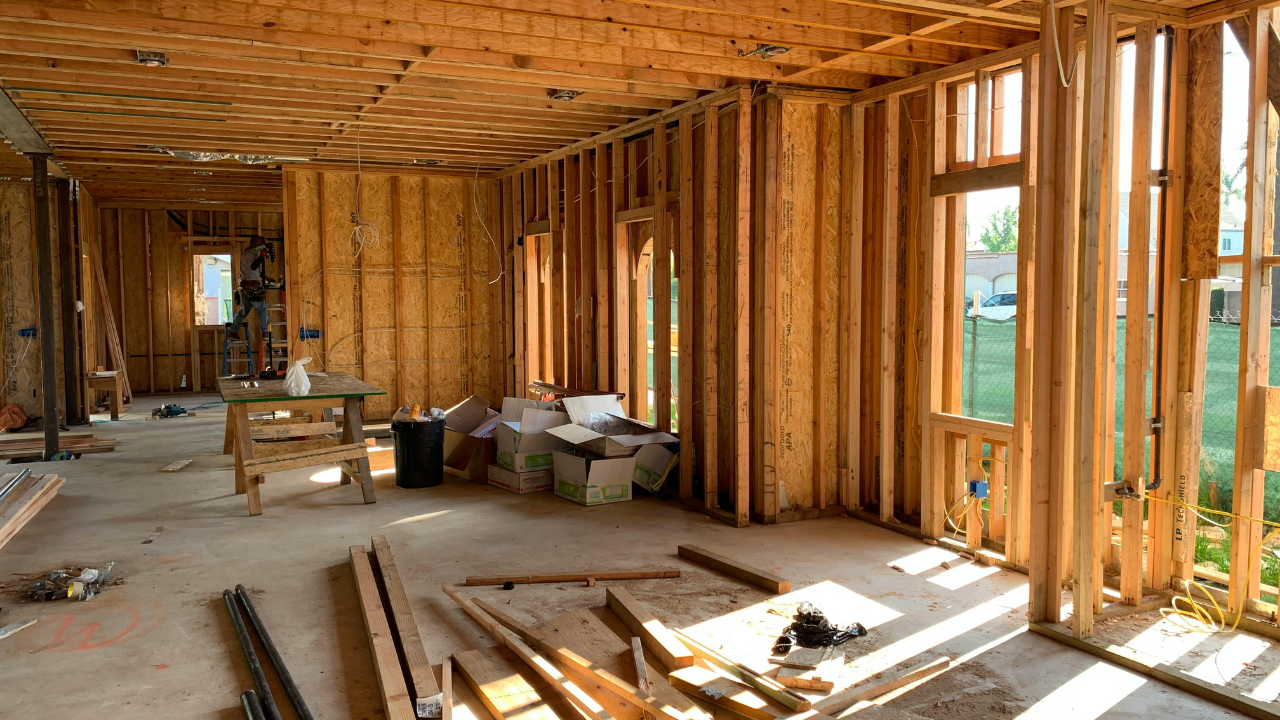
If you have access to the crawl space, look at the exposed structural components underneath the home.
Floor joists can sometimes show evidence of past or ongoing moisture problems.
Keep an eye out for:
Mold or mildew-like growth
Water staining
Rot or deterioration
Unusual discoloration
Damp areas
Wood that appears damaged
Seeing one stain doesn't automatically mean there's a major structural problem.
The important thing is recognizing when something deserves a closer look.
If you're concerned about what you're seeing, your home inspector can evaluate the condition and determine whether additional investigation is appropriate.
This is particularly important in areas where moisture, drainage, and topography can play a significant role in how a property performs over time.
5. Take a Look at the Electrical Panel
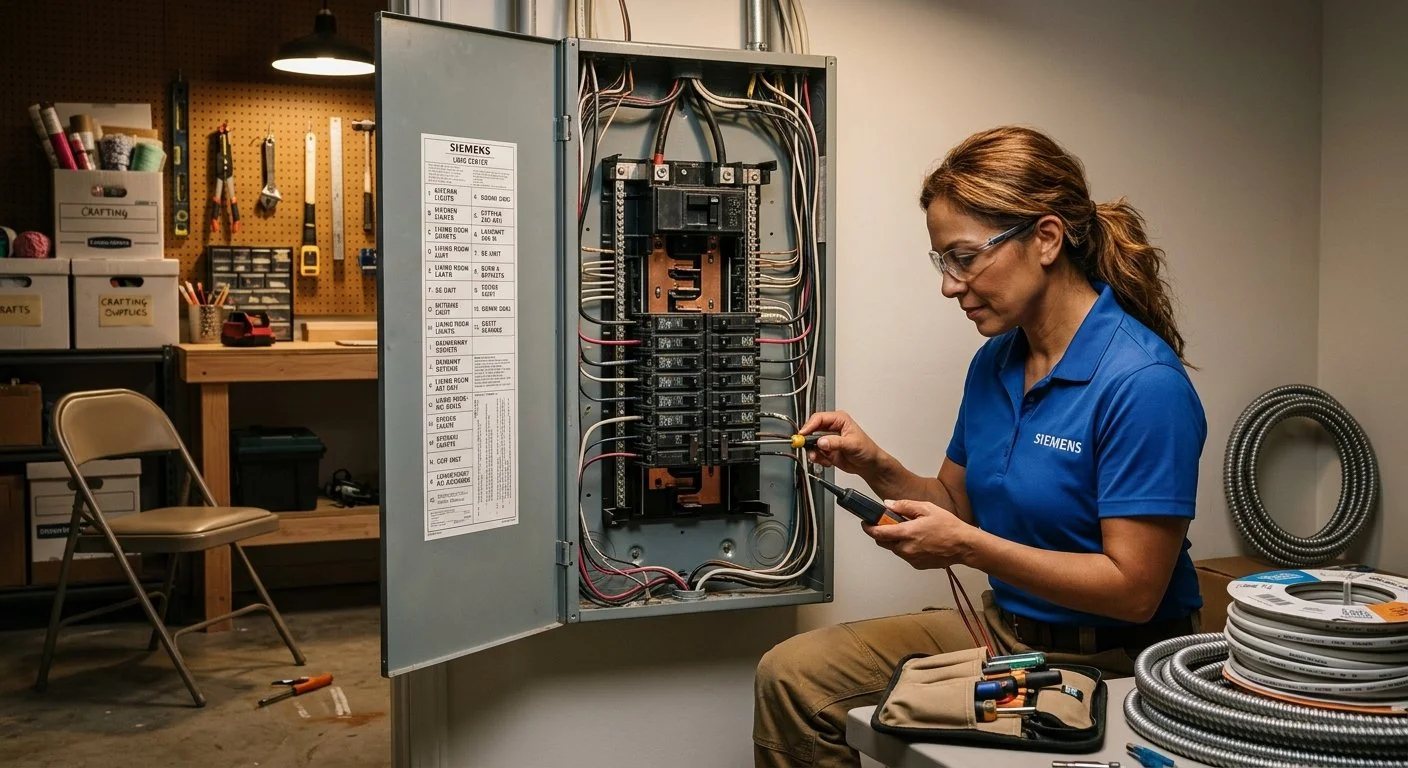
The electrical panel probably isn't going to sell you on a house, but it deserves a quick look during a showing.
Does it appear well maintained or outdated? Is it labeled correctly? Does anything look damaged, corroded, or unusual?
You can also check the amp capacity by looking at the number on the main breaker—commonly 100, 150, or 200 amps. To estimate the panel's age, look for the manufacturer's label, model, or serial number inside the panel.
If something raises a question, make a note of it and have your inspector or a qualified electrician take a closer look.
You're looking for questions—not trying to diagnose the home yourself.
6. Look at How Well the Home Has Been Maintained
Here's something buyers don't always think about:
Pay attention to the overall condition of the home—not just whether it's clean or beautifully staged.
A home's appearance can sometimes provide clues about how consistently it has been cared for over the years.
Look at the smaller details.
Are doors and windows functioning properly?
Are there obvious signs of deferred maintenance?
Do fixtures appear reasonably cared for?
Are there small repairs that seem to have been ignored?
Is the home generally tidy enough that you can actually see and access important areas?
This isn't about judging a seller's housekeeping.
A cluttered home isn't necessarily poorly maintained, and a beautifully staged home isn't automatically well maintained.
Instead, think of the overall condition as one piece of the larger picture.
If the visible parts of a property have been consistently cared for, it's worth asking whether the same level of attention has been given to the systems you can't see.
7. Don't Let Cosmetic Updates Distract You From the Major Systems
A remodeled kitchen can make a house feel completely different.
So can new flooring, fresh paint, updated bathrooms, and modern light fixtures.
But cosmetic improvements aren't necessarily an indication of the condition of everything underneath them.
When touring a home, ask about the major systems, including:
Roof
HVAC
Plumbing
Electrical
Foundation
Drainage
Water heater
Septic system, if applicable
How old are they?
Have they been serviced recently?
Have there been repairs?
Are there warranties or documentation available?
A home doesn't need to have brand-new everything.
The goal is to understand the age, condition, and expected maintenance of the major components so you can make an informed decision.
8. Look Beyond What You Can See
This may be the most important thing to remember when buying a house.
A showing is designed to help you decide whether you want to buy the home.
It isn't designed to tell you everything about the home's condition.
Fresh paint doesn't tell you what's happening behind the walls.
New flooring doesn't tell you how the crawl space performs after heavy rain.
A beautiful kitchen doesn't tell you the age or condition of the electrical system.
And perfectly staged furniture doesn't tell you how the home has been maintained for the last 10, 20, or 30 years.
That's why buyers should look beyond the finishes.
Ask questions.
Look at the areas you can reasonably access.
Pay attention to signs of water.
Notice the condition of the property.
And most importantly, use your inspection and due diligence period to investigate the things you can't determine during a showing.
Your Home Showing Is Only the Beginning
One of the biggest mistakes buyers can make is thinking they need to identify every potential problem themselves.
You don't.
Your job during a showing is to determine whether the property could be the right home for you and to notice anything that raises a question.
Your home inspector's job is to evaluate the property in much greater detail.
And depending on what the inspection reveals, you may need additional professionals to evaluate specific concerns involving the foundation, electrical system, plumbing, roof, drainage, septic system, or other components.
The goal isn't to find a perfect house.
There probably isn't one.
The goal is to understand the property you're considering—including its strengths, its maintenance needs, and the potential issues that deserve further investigation.
Key Takeaways for Home Buyers
When you're touring a home, don't just look at what photographs well.
Pay attention to:
The crawl space: Look for signs of moisture, standing water, mold or mildew, and deterioration.
The foundation and drainage: Notice where water collects and how it moves around the property.
The weather: A rainy day can reveal drainage and water issues that aren't obvious when it's dry.
The floor joists: Look for signs of moisture or deterioration in exposed wood.
The electrical panel: Notice its overall condition and flag anything unusual for your inspector.
The home's maintenance: Look for patterns of care and deferred maintenance.
Major systems: Ask about the age and condition of the roof, HVAC, plumbing, electrical, and other important systems.
What you can't see: Remember that cosmetic updates don't necessarily tell you what's happening underneath.
Buying a home is one of the biggest financial decisions you'll make.
Taking a few extra minutes during a showing to look beyond the obvious can help you ask better questions, use your inspection period more effectively, and make a more informed decision.
Thinking About Buying a Home in Asheville or Western North Carolina?
Buying a home is about more than finding a property you love.
It's about understanding what you're buying and having the right people in your corner throughout the process.
If you're looking for a home in Asheville or Western North Carolina, we're happy to help you navigate showings, inspections, due diligence, and the rest of the home-buying process.
Consult with Us
Want to learn more about buying or selling real estate in Western North Carolina?
