
What Most Buyers Get Wrong About a 30-Year Mortgage
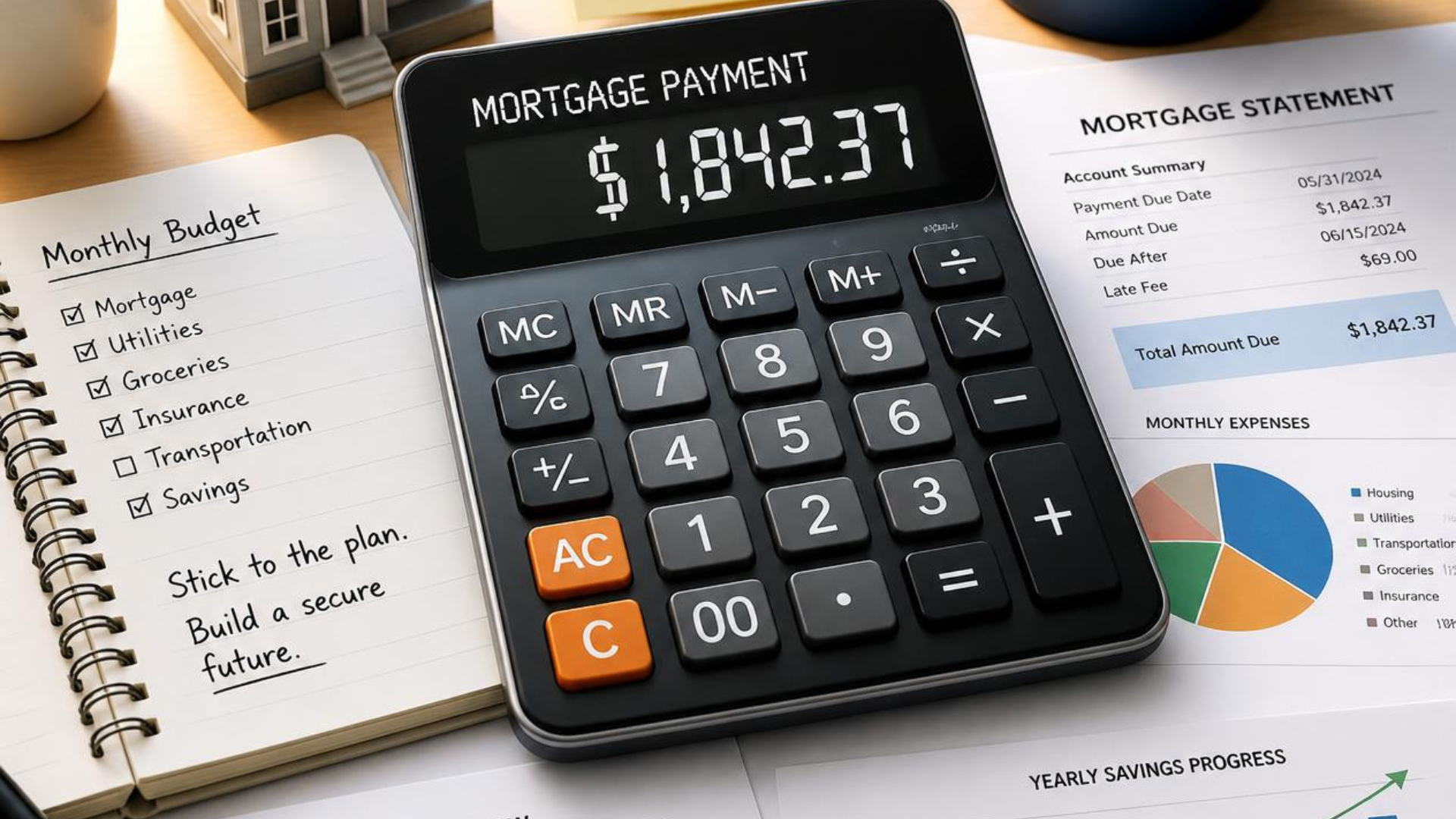
When you're buying a home, it's natural to plug numbers into an online mortgage calculator but many buyers are surprised—or even discouraged—when they see how much interest they'll pay over the life of a 30-year loan.
Imagine your agent encourages you to increase your offer by $10,000 on a home in order to win. A mortgage calculator might show that this decision could cost nearly $100,000 more over 30 years once interest is factored in.
At first glance, that sounds alarming!
But here's what many buyers don't realize: those calculations assume you'll keep the same mortgage for the full 30 years—and statistically, that's not what most homeowners actually do.
Let's take a closer look.
1. Most People Don't Stay in the Same Home for 30 Years
One of the biggest assumptions built into online mortgage calculators is that you'll own the home—and keep the same mortgage—for the entire loan term.
In reality, that's uncommon.
Nationally, homeowners stay in the same home for an average of about 10 years before moving, upgrading, downsizing, or making another life change.
That means many buyers never reach the full 30-year payoff schedule shown in online calculators.
💡 Key Takeaway: A 30-year mortgage is a loan term—not necessarily a prediction of how long you'll own the home.
2. A Mortgage Isn't Always Forever
Another important factor is refinancing.
Refinancing allows homeowners to replace their existing mortgage with a new one, often to take advantage of lower interest rates or different loan terms.
For example:
You purchase a home with a 6% interest rate.
A few years later, rates fall to 4%.
You may have the opportunity to refinance into the lower rate, potentially reducing your monthly payment or the amount of interest paid over time.
While refinancing isn't always the right move—and depends on market conditions, costs, and individual circumstances—it's one reason why the "30-year total cost" shown on a mortgage calculator may never become reality.
💡 Remember: Mortgage scenarios can change over time as your financial situation and interest rates change.
3. Only a Small Percentage of Homeowners Actually Pay Off a 30-Year Mortgage
Here's another statistic that surprises many buyers.
Approximately 10% of homeowners stay with the same 30-year mortgage long enough to pay it off exactly as originally scheduled.
Many homeowners instead:
Sell their home
Move for work or family
Upgrade or downsize
Refinance into a new loan
Pay off the mortgage early
Life changes, and so do financial decisions.
💡 Bottom Line: The total interest shown on a 30-year calculator often represents one possible scenario—not necessarily the one you'll experience.

4. Interest Rates Can Have a Bigger Impact Than You Think
Mortgage rates don't stay the same forever.
They're influenced by many economic factors, including inflation, Federal Reserve policy, and broader global events.
We've seen this firsthand in recent years:
During the COVID-19 pandemic, mortgage rates fell to historically low levels.
As economic conditions changed, rates rose significantly.
Future rates will continue to fluctuate as markets evolve.
Because of this, it's wise for buyers to pay attention to interest rate trends throughout their homeownership journey—not just when purchasing a home.
💡 Buyer Tip: Even after you buy, staying informed about mortgage rates may help you identify opportunities to review your financing with a trusted lender.
5. Don't Let a Mortgage Calculator Make the Decision for You
Mortgage calculators are excellent tools for estimating monthly payments and exploring different scenarios.
But they have limitations.
Most calculators assume:
You'll never refinance.
You'll never move.
You'll keep the same loan for 30 years.
Nothing about your financial situation changes.
Real life is rarely that predictable.
Instead of focusing solely on the total interest shown decades into the future, consider your broader financial picture, your goals, and how long you realistically expect to own the home.
Working with knowledgeable real estate and lending professionals can help you evaluate your options based on your unique circumstances—not just an online estimate.
Key Takeaways
A 30-year mortgage doesn't necessarily mean you'll make the same payment for 30 years.
Many homeowners:
Move within about 10 years.
Refinance when interest rates change.
Adjust their financing as their needs evolve.
While online mortgage calculators are valuable planning tools, they often present just one long-term scenario.
Understanding how mortgages work—and how your plans may change over time—can help you make more informed decisions when buying a home.
Thinking About Buying a Home?
Every buyer's financial situation is unique. If you're wondering how today's market, mortgage rates, or your long-term goals could affect your home purchase, we'd be happy to connect you with trusted local lending professionals and help you navigate the buying process with confidence.
Consult with Us
Want to learn more about buying or selling real estate in Western North Carolina?
